And I was thinking about this novel again. About the criminal profile of that genius who was an oddball at work and who, after being fired, went on to do something like what Frank did (if we leave aside the dissociative context of the novel).
I thought of “The Mad Bomber,” George Metesky. He was a former Con Edison employee who, after a workplace accident in 1931, became disabled and eventually lost his job. He received 26 weeks of sick pay, but then his employment was terminated. Metesky claimed that the accident had caused pneumonia that later developed into tuberculosis, although Con Edison disputed that connection. He filed a workers’ compensation claim, but it was denied because he had waited too long to file it, and his subsequent appeals were also rejected.
His resentment eventually turned into a bombing campaign. He planted bombs at various locations, initially targeting Con Edison facilities and later public places throughout New York. He was particularly bitter toward the company’s lawyers and toward three co-workers whose testimony he believed had helped the company defeat his compensation claim. In his mind, the bombings were a form of revenge against what he saw as the injustice done to him.
In the first video in our “True Crime” series, the author Michael Cannell discusses the hunt to catch the serial bomber who preyed on the city for sixteen years.

www.newyorker.com
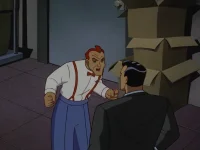
And then, taking it into a slightly different territory, it reminded me of the adaptation of The Riddler’s backstory in
Batman: The Animated Series, which is quite similar. Although, well, The Riddler as a villain fits this kind of profile in pretty much all of his adaptations.